
Top-Rated Tools For Storm Damage Repair And Restoration
Equip yourself with high-performance tools designed specifically for repairing storm damage efficiently and safely.
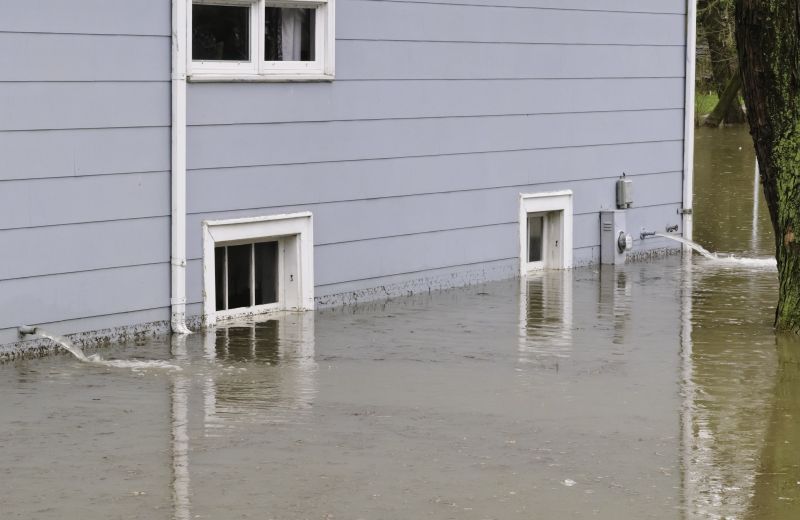 In Eden Prairie, MN, storm restoration projects often require a comprehensive selection of products designed to repair and reinforce properties affected by severe weather events. From heavy-duty roofing materials to moisture-resistant barriers, the right tools and supplies are essential for effective restoration efforts. These products help ensure structures are resilient against future storms and minimize potential damage.
Top Overall Option
Heavy-Duty Weatherproof Roofing Membrane
A high-performance roofing membrane designed to withstand harsh weather conditions, providing a reliable barrier against water infiltration and wind damage. Its durability and ease of installation make it a versatile choice for various roofing repairs and restorations.
Types of Products For Storm Restorations
Weatherproof Roofing Membranes
Materials designed to protect roofs from water and wind damage, suitable for repairs and new installations.
Reinforced Siding Panels
Durable siding options that resist impact and moisture, ideal for exterior restoration projects.
Storm-Resistant Sealants
Sealants formulated to provide flexible, long-lasting waterproofing for cracks and joints.
Heavy-Duty Tarps and Covers
Temporary protective coverings for damaged areas during repairs or awaiting permanent solutions.
Impact-Resistant Windows and Shutters
Windows and shutters designed to withstand high winds and debris impact.
Moisture Barriers and Vapor Retarders
Materials that prevent moisture intrusion and reduce mold risk in wall assemblies.
Heavy-Duty Flashing and Metal Trim
Protective metal components that seal joints and edges against water intrusion.
Storm-Grade Insulation
Insulation materials suited for high moisture environments, providing thermal and moisture protection.
Power and Hand Tools
Essential tools such as drills, saws, and nailers for efficient installation and repairs.
Safety Equipment
Protective gear including helmets, gloves, and harnesses to ensure safety during restoration work.
Structural Reinforcement Materials
Products like hurricane straps and braces to strengthen building frameworks.
Drainage and Gutter Systems
Efficient systems to direct water away from foundations and prevent flooding.
Flood Barriers and Sandbags
Temporary solutions to protect properties from floodwaters during storm events.
Roof Ventilation Products
Ventilation solutions that improve airflow and reduce moisture buildup in attics.
Exterior Paints and Coatings
Weather-resistant coatings that add an extra layer of protection to exterior surfaces.
Popular Choices
Widely used for roof repairs and new installations in storm-prone areas.
Commonly selected for exterior protection against debris impact.
Popular for temporary coverage during ongoing restoration work.
Frequently chosen for sealing cracks and joints to prevent water intrusion.
Preferred for exterior wall restoration in storm-damaged properties.
Commonly used to protect interior walls from moisture damage.
Popular for flood mitigation and foundation protection.
Chosen to improve attic ventilation while resisting storm damage.
Frequently used during storm surges and flooding events.
Essential gear for workers involved in storm restoration projects.
Selected to enhance building resilience in storm-prone areas.
Popular for adding extra weather resistance to restored surfaces.
Storm restoration involves multiple steps, including assessing damage, removing compromised materials, and installing new, durable components. This process demands a variety of specialized products such as high-strength roofing membranes, weatherproof sealants, and reinforced siding. Proper selection of these materials can facilitate smoother repairs and contribute to the long-term stability of buildings.
Additionally, safety equipment and tools play a crucial role in storm restoration. Items like protective gear, heavy-duty ladders, and power tools enable workers to perform repairs efficiently while maintaining safety standards. Having reliable, high-quality products tailored for storm-related damage can make a significant difference in the restoration timeline and quality.
Overall, investing in the right storm restoration products is vital for property owners and contractors in Eden Prairie. Whether addressing minor leaks or major structural repairs, the right supplies can help restore properties effectively and prepare them better for future weather challenges. Selecting appropriate, durable materials suited to Minnesota’s climate conditions ensures resilience and peace of mind for homeowners and restoration professionals alike.
Key Buying Considerations
- Assess the specific storm risks in your area to choose appropriate products.
- Ensure materials are compatible with existing structures for seamless repairs.
- Prioritize durability and resistance to moisture, wind, and impact.
- Consider ease of installation and whether professional help is needed.
- Check for product certifications and compliance with safety standards.
- Evaluate the long-term maintenance requirements of chosen products.
- Determine the appropriate size and coverage area for your needs.
- Review customer feedback and product reviews for reliability insights.
- Select products that are suitable for Minnesota's climate conditions.
- Consider budget constraints while balancing quality and durability.
- Look for versatile products that can serve multiple repair purposes.
- Ensure safety equipment meets OSHA standards for worker protection.
- Plan for temporary solutions like tarps or barriers during ongoing repairs.
- Evaluate the availability of replacement parts or accessories.
- Think about future storm preparedness and whether the products can be reused or upgraded.