
Optimal Timing for Storm Restorations
Storm restorations are most effective when performed during specific times of the year, typically following severe weather events or during seasons with predictable storm activity. Proper timing ensures optimal results and minimizes the risk of further damage.
Conducting inspections immediately after storms helps identify damage early and plan restoration efforts effectively.
Performing restorations during calmer months can reduce costs and scheduling conflicts.
Dry and mild weather conditions are ideal for restoration work, ensuring safety and quality.
Timely assessment after storms allows for quicker response and minimizes long-term issues.
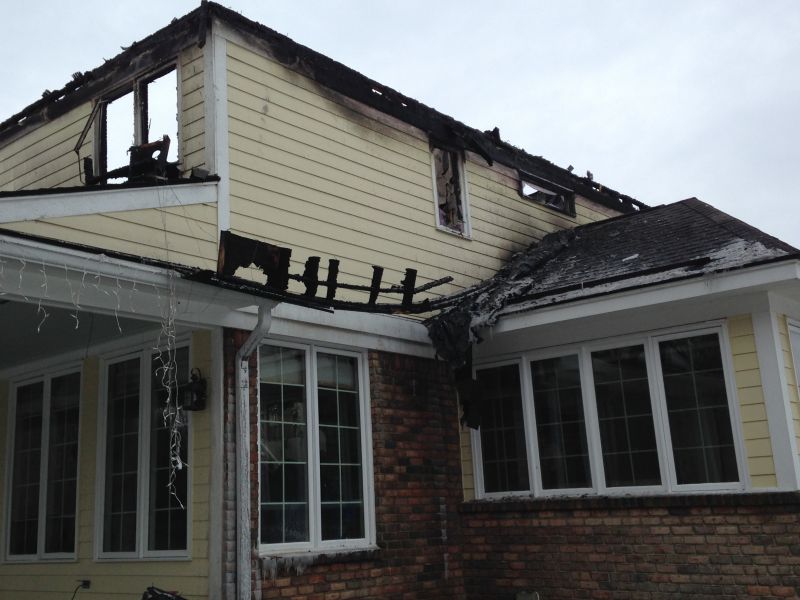
Visual evaluation of storm impact on structures.
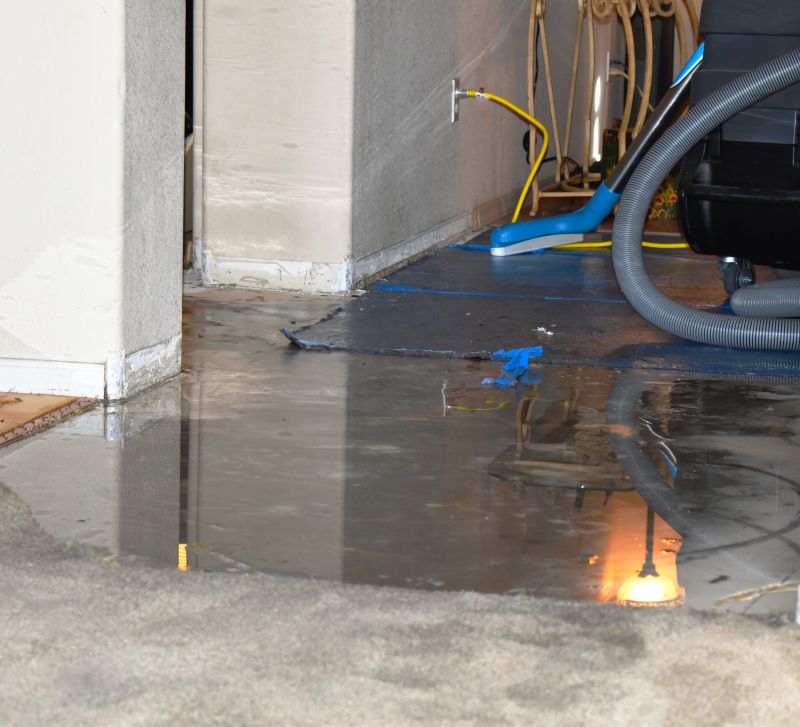
Tools and machinery used during storm repair projects.

Team performing storm damage repairs.
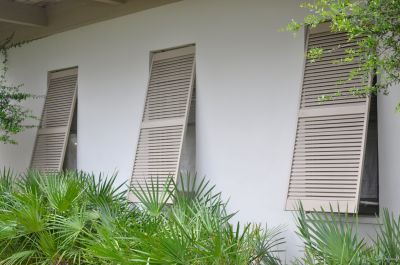
Ways to make Storm Restorations work in tight or awkward layouts.
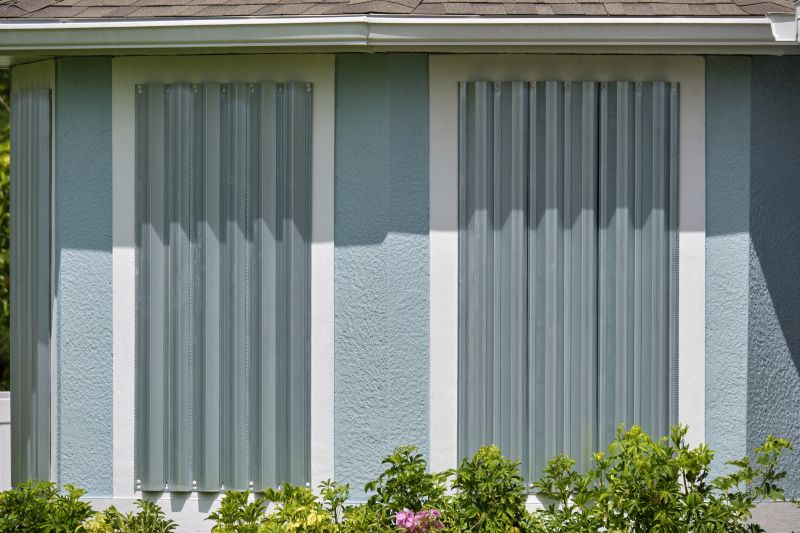
Popular materials for Storm Restorations and why they hold up over time.

Simple add-ons that improve Storm Restorations without blowing the budget.
| Season | Ideal Timing for Storm Restorations |
|---|---|
| Spring | Immediately after storms or during early summer for quick response. |
| Summer | During dry, mild weather windows to ensure safety. |
| Fall | Post-storm assessments and repairs before winter. |
| Winter | Limited restoration work due to weather constraints, focus on planning. |
| Off-Season | Scheduling during less active storm periods for efficiency. |
Storm restorations involve repairing damage caused by severe weather events, such as high winds, hail, and heavy rainfall. These efforts include restoring roofs, siding, windows, and other affected structures to their pre-storm condition. Timely restoration helps prevent secondary damage, such as water intrusion and mold growth, which can escalate repair costs and health risks.
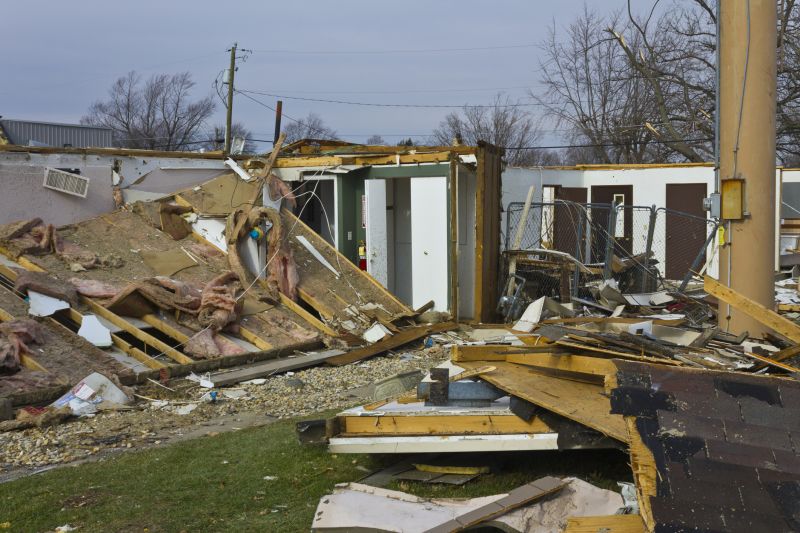
Roof damage caused by hail and high winds.

Temporary repairs to secure properties after storms.
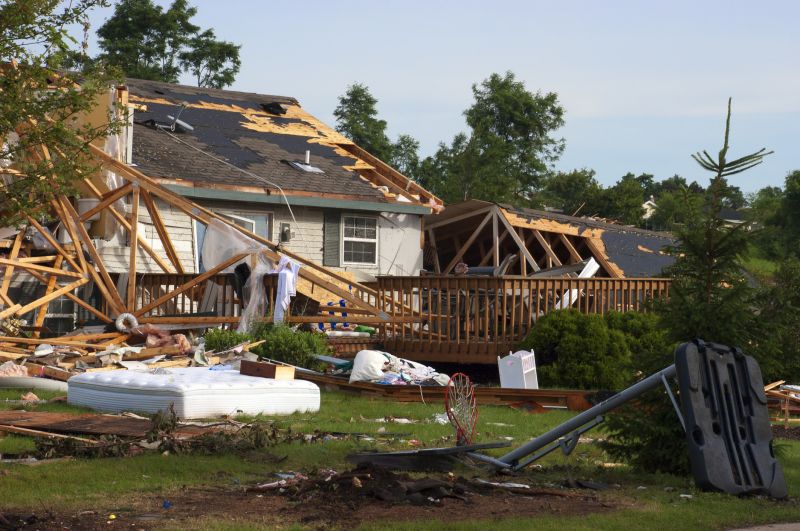
Supplies used in storm damage repairs.

Step-by-step storm damage restoration.
Individuals interested in storm restorations are encouraged to contact for assessments and planning. Prompt action can mitigate damage and restore property integrity efficiently. Filling out the contact form provides a pathway to schedule inspections and discuss restoration options.